
 When the snow finally clears and your yard starts showing again, it’s tempting to grab the rake and go hard right away. The problem is that early spring lawns are usually soft and still waking up so if you start with the wrong task, you can tear turf, compact wet soil, and make thin spots worse.
The first thing to do to your lawn after winter is a simple inspection and cleanup. Specifically, remove winter debris for a clear view of what you’re working with and set up the next steps of mowing, seeding and fertilizing.
Start with a Walk-around and a Gentle Cleanup
Inspect your property
Before you touch a rake, take a slow lap around the property. Look for matted grass, salt damage along sidewalks and driveways, bare patches, standing water, and any areas that feel spongy underfoot.
If you spot pooling water, avoid walking there until things dry because foot traffic can compact soil quickly.
Then do a light pickup of what doesn’t belong on the lawn like sticks, fallen branches, dog waste, road grit, and any garbage that blew in. This sounds basic, but it matters because debris blocks sunlight and holds moisture in the grass.
Sticks and debris etc is exactly what helps snow mould and dead patches develop and stick around longer than they should.
Why being gentle is better than being fast
A lot of people make the mistake of aggressively raking too early. If the lawn and soil is still wet and the roots haven’t anchored, a heavy rake will pull up living grass along with the dead material.
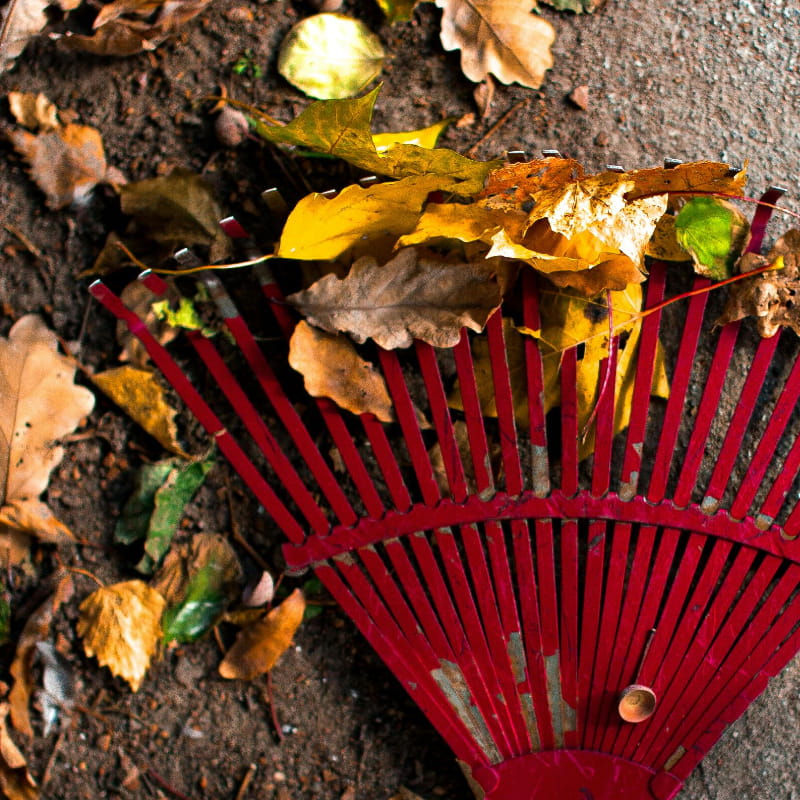
To avoid this you can use a leaf blower or an inexpensive springback rake with a light touch. Your goal is to just lift the matted areas and loosen the surface a bit, but not carve deep lines into the soil.
If you have visible snow mould (usually grey or pinkish patches), don’t panic. Most lawns recover once they dry out and get airflow again.
Light raking helps and so does keeping foot traffic at a minimum for at least a week or two.
Decide What the Lawn Actually Needs
Once the surface of the lawn is cleaned up you can decide what it actually needs. If you see widespread thinning, you may be looking at over seeding and topdressing.
If the lawn is mostly healthy but patchy in high-traffic zones, you might only need spot repair. And if you’ve got heavy thatch buildup from last year, you’ll be able to tell whether de-thatching is necessary later in the season when the grass is actively growing.
This is where you set yourself up for a proper spring clean across the whole property. If you’d rather have it handled quickly and correctly, our spring and fall cleanup service is built for exactly this time of year and involves clearing debris, tidying turf edges, and getting your lawn ready for the next steps.
 A few quick do’s and don’ts that prevent damage
Here are the rules that keep you from undoing your own progress:
- Wait until the lawn is mostly dry before raking or mowing.
- Pick up debris first so you’re not grinding it into the grass.
- Rake lightly to lift matted turf and improve airflow.
- Don’t mow too short the first time.
- Don’t apply fertilizer on a lawn that’s still saturated and cold.
What Comes Next
After inspection and cleanup, the next move is usually your first mow of the season when the lawn is dry enough and the grass has started growing. From there you can decide on aeration, seeding, and a fertilization plan based on the results of the cleanup.
By starting with a careful cleanup instead of rushing into aggressive lawn work, you’ll protect the roots and spot problems sooner, which is the best way to ensure your grass greens-up evenly and ready for the summer!